Tommy is sixty-three years old and has lived in Musselburgh his whole life. He worked on fishing boats out of Fisherrow harbour from the age of sixteen until his late forties, when a back injury forced him ashore. He is not a man who finds it easy to ask for help. But he will tell you himself that for most of his adult life, going to the doctor felt like walking into a meeting where everyone else had read the agenda and he had not.
"I would sit down and the doctor would be talking, and I would be nodding along, but honestly I was only catching about half of what they were saying. Then they'd hand me a leaflet and I'd say thank you and walk out and put it in my pocket and never look at it again. Because what was the point? I wouldn't understand it anyway."
Tommy, Musselburgh residentThis is not a story about a man who did not care about his health. Tommy did care. He cared deeply, especially after his back injury led to a diagnosis of type 2 diabetes and, later, high blood pressure. He took his tablets. He turned up to his appointments. But he consistently left without understanding what his test results meant, what changes he was supposed to make to his diet, or why he had been referred to a specialist.
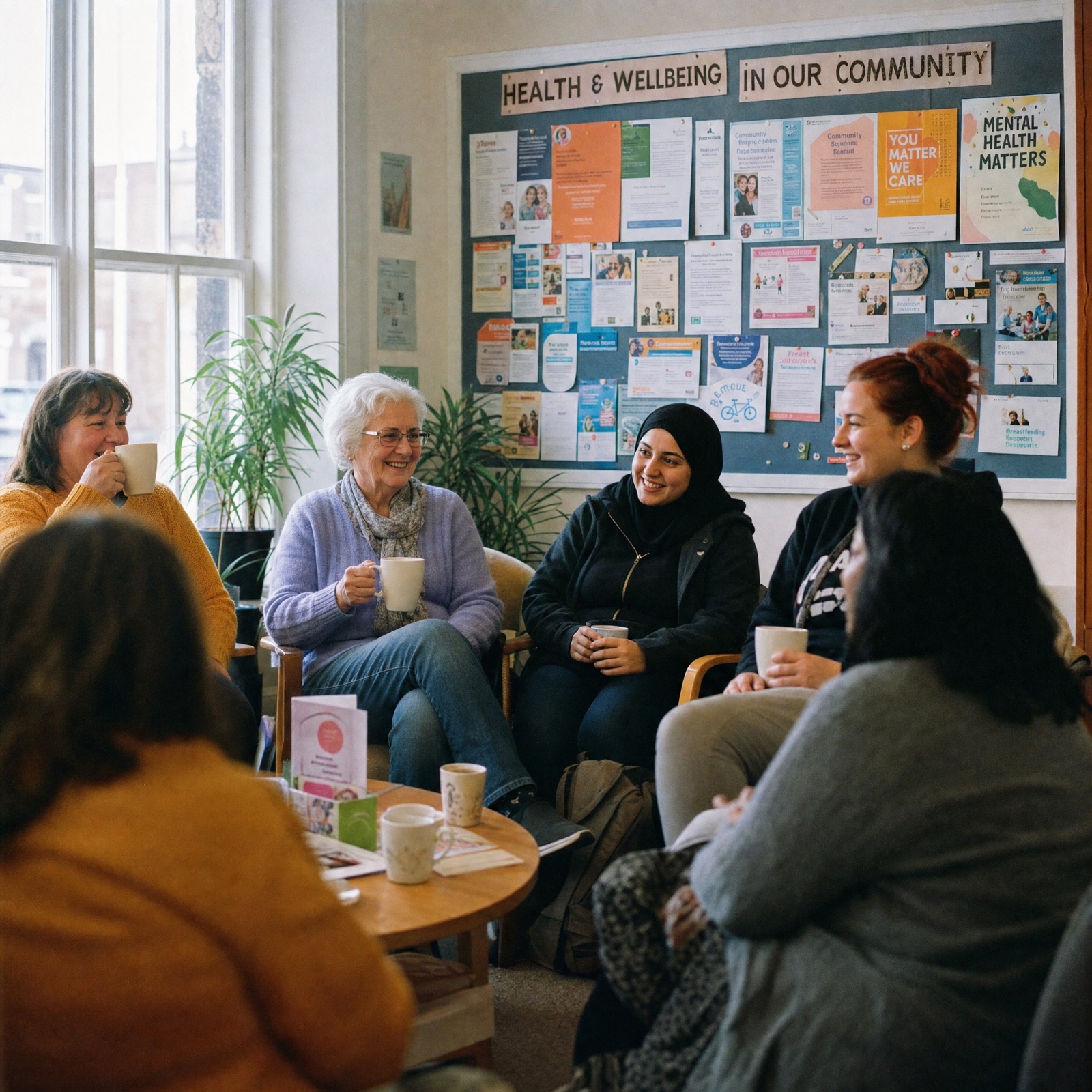
Tommy first heard about Lumen through a notice at Musselburgh Library. He came along to one of our Thursday drop-in sessions, he says, mostly because a librarian he trusted told him it was worth a look. At that session, a Lumen volunteer sat with him and played him our audio guide on understanding diabetes test results. He listened twice.
"It was the first time anyone explained what HbA1c actually was in a way that made sense to me. It's just an average of your blood sugar over three months. Why had nobody ever just said that?"
Tommy, on his first Lumen session
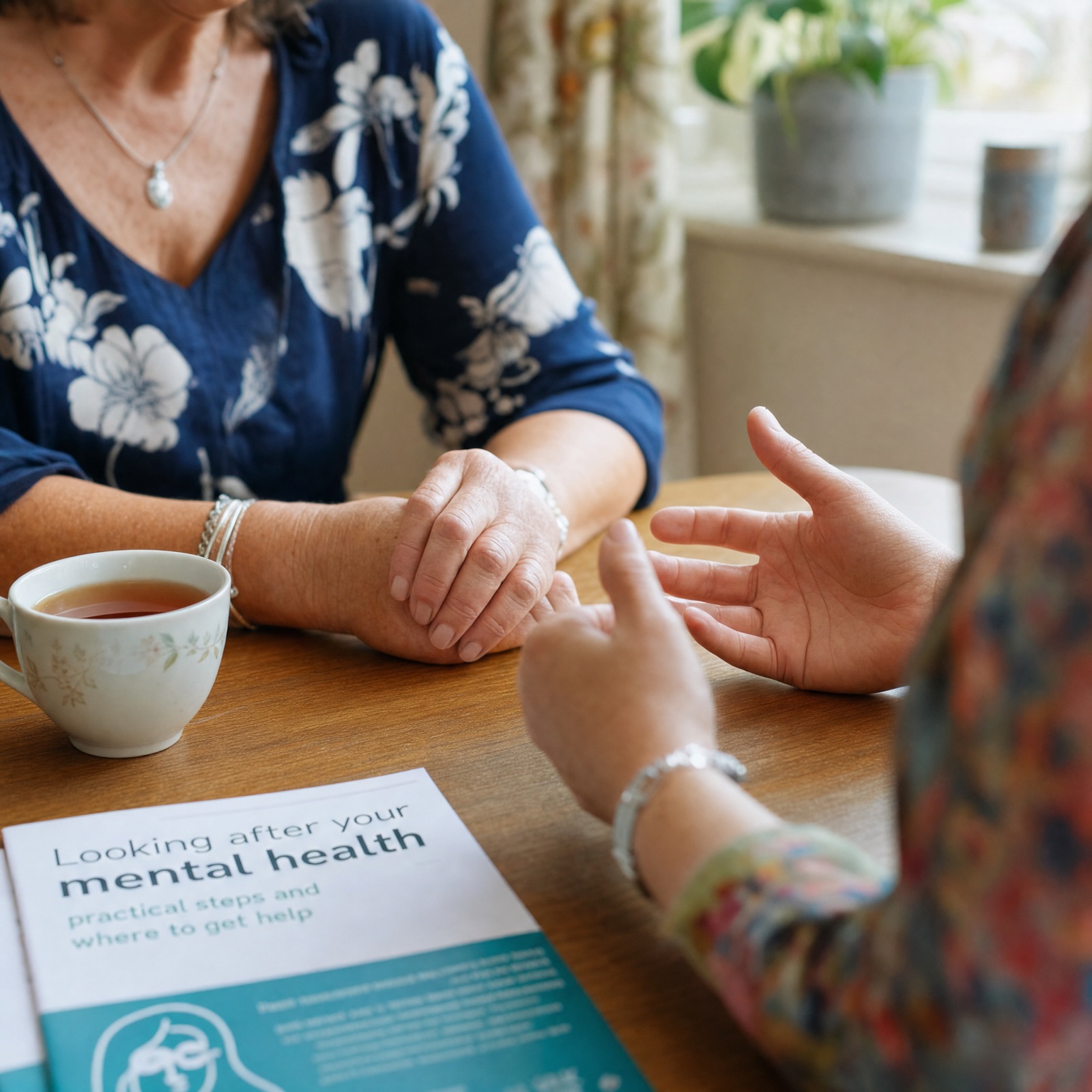
Over the following weeks, Tommy worked through several more guides — on high blood pressure, on reading food labels, and on what to expect from a hospital referral. The volunteer who works with him helped him write down three questions to bring to his next GP appointment. Simple questions: what do my numbers mean today, is there anything I should change, and what happens next.
"I had never once brought a question to an appointment before. I walked out of that one actually knowing what the plan was."
Tommy, after his first prepared GP appointmentHis GP noticed the difference too. "She said to me, 'Tommy, you seem more engaged today,'" he recalls with a quiet laugh. "I said, 'I've been doing my homework.' She seemed pleased."
Tommy now comes to Lumen drop-ins most weeks. He has started helping to set up chairs and make tea before sessions, a role that suits him. He has also, cautiously, mentioned the service to a few friends his age who he knows struggle with the same quiet confusion at appointments.
"There's a lot of men around here who'd never admit they don't understand the leaflets. But if you say to them, 'there's a place where they explain it properly and nobody makes you feel stupid,' that's a different conversation."
Tommy, on talking to friends about LumenAt Lumen, Tommy's story is one we recognise again and again. Health literacy is not about intelligence. It is about whether the information has ever been presented in a way that works for you. For Tommy — and for many others in Musselburgh — it just needed someone to sit down, press play, and explain.